
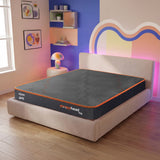
In today's fast-paced world, quality sleep is a precious commodity, and choosing the right mattress plays a vital role in ensuring restful nights.
One type of mattress that has gained immense popularity in recent years is the memory foam mattress. Renowned for its contouring ability and pressure-relieving properties, memory foam has become a favorite among sleepers of all ages.
In this article, we will delve into the fascinating world of memory foam mattresses, exploring their benefits, disadvantages, and everything in between.
So, let's dive in and discover how memory foam mattresses can enhance your sleep experience.
What is a Memory Foam Mattress?
A memory foam mattress is a type of mattress that utilizes viscoelastic foam, a material developed by NASA in the 1970s. This innovative material is designed to respond to heat and pressure, conforming to the sleeper's body shape.
When pressure is applied, memory foam softens and molds itself to the curves, distributing body weight evenly. Once the pressure is released, the foam slowly regains its original shape.
This unique feature sets memory foam mattresses apart from traditional innerspring or latex mattresses.
Advantages of Memory Foam Mattresses
1. Superior Comfort and Support
Memory foam mattresses are praised for their exceptional comfort and support. The foam's ability to conform to the body's contours allows for better alignment of the spine, reducing the risk of developing aches and pains.
This feature is especially beneficial for individuals with chronic back or joint issues, as it helps alleviate pressure points and provides a cozy sleep surface.
2. Pressure Relief
One of the most significant advantages of memory foam mattresses is their ability to provide pressure relief. As the foam responds to the sleeper's body heat, it evenly distributes body weight, reducing pressure on sensitive areas such as the shoulders, hips, and knees.
This can help prevent the development of pressure sores and improve blood circulation.
3. Spinal Alignment
Proper spinal alignment is crucial for a good night's sleep and overall well-being. Memory foam mattresses support the natural curvature of the spine, promoting healthy spinal alignment and reducing the risk of back pain.
3. Motion Isolation
Memory foam excels at motion isolation, making it an excellent choice for couples or restless sleepers. The foam absorbs and minimizes motion transfer, ensuring that movements on one side of the bed do not disturb the other sleeper.
This feature is particularly valuable for light sleepers who are easily awakened by movements during the night.
4. Allergy-Friendly
Unlike traditional mattresses that may harbour dust mites, allergens, and other microscopic organisms, memory foam mattresses are inherently hypoallergenic.
The dense structure of memory foam makes it resistant to allergens, creating a healthier sleep environment for allergy sufferers.
5. Longevity
High-quality memory foam mattresses have excellent durability and can last for many years with proper care.
They are less prone to sagging and indentations compared to traditional mattresses, providing long-lasting support and comfort.
6. Variety of Firmness Options
Memory foam mattresses are available in various firmness levels, catering to different sleep preferences. Whether you prefer a soft, plush feel or a firm, supportive surface, there's a memory foam mattress to suit your needs.
Disadvantages of Memory Foam Mattresses
1. Initial Odor
When first unpacked, memory foam mattresses may emit a noticeable odor known as off-gassing. This odor is a result of the manufacturing process and the materials used.
While it is typically harmless and dissipates over time, some individuals may find it unpleasant. To reduce the odor, it's recommended to allow the mattress to air out in a well-ventilated room before use.
2. Heat Retention
One common complaint about memory foam mattresses is their tendency to retain body heat. The dense structure of the foam can trap heat, causing sleepers to feel uncomfortably warm during the night.
However, many modern memory foam mattresses now come with cooling technologies to address this issue.
3. Initial Firmness
Some individuals may find memory foam mattresses to be initially firm when lying down. This feeling is known as the "quicksand" effect, where the mattress takes a few seconds to adjust to the sleeper's body shape.
While most people adapt to this sensation, it may not be preferred by all.
4. Weight and Movement
Memory foam mattresses tend to be heavier than traditional mattresses, making them more challenging to move and rotate.
Additionally, getting in and out of bed may require more effort due to the foam's contouring properties.
5. Price
Compared to traditional mattresses, memory foam mattresses often come with a higher price tag. The advanced technology and materials used in memory foam production contribute to its cost.
However, many sleepers find the investment worthwhile due to the numerous benefits offered by memory foam.
6. Limited Bounce
Memory foam mattresses have minimal bounce compared to innerspring or hybrid mattresses.
While this feature is advantageous for motion isolation, some individuals may prefer the springiness of traditional mattresses.
Why is memory foam good for you?
So many reasons. Firstly, an orthopedic memory foam mattress is very supportive, spreading the sleeper’s weight and pressure over its area, thus offering relief at pressure points.
The foam moulds itself to every person’s shape, thus helping personalization of the mattress for the sleeper. Memory foam also helps with temperature regulation and doesn’t ripple if you move during the night.
Made for sleep, we’d say.
What’s the life of a memory foam mattress?
The best mattress lasts longer than spring or coir - approximately eight to ten years. However, every mattress’s life depends on its use, its original quality, and how it’s cared for.
An overused mattress may offer decreased comfort as well as affect spinal alignment
How will you know your mattress’s time is up
If you wake up tired or achy or if you’re waking up with pains you didn’t have before you slept, it may be time to replace your mattress.
If you enjoy better sleep or comfort when you sleep anywhere else than your bed, it’s time to say bye-bye.
If your memory foam mattress starts to show permanent sags or indentations or doesn’t spring back like it did before, it is definitely time to start shopping for a replacement.
How to make your mattress last longer
Well, the easiest way is to choose a mattress protector that will save your foam from stains, spills, and humidity as well. Picking one that’s made of natural materials like bamboo helps you stay cool as well as absorb sweat when you’re sleeping.
The other easy tip is to choose a mattress with a 10-year warranty, so you can sleep easily for a decade.
But buying memory foam is a big decision, man.
We know. That’s why we offer a 100 nights trial – so you can your time getting used to your memory foam, with time. And in the unlikely event that you’re not satisfied, we offer full refunds with free returns.
Frequently Asked Questions About Memory Foam Mattress
What is a Memory Foam Mattress and how does it work?
A Memory Foam Mattress is a type of mattress made from viscoelastic foam that was initially developed by NASA in the 1960s. It was created to improve seat cushioning and crash protection for astronauts during space missions.
The material's ability to respond to body heat and pressure is what sets it apart from traditional mattresses.
When you lie down on a Memory Foam Mattress, it softens and molds to your body's contours, providing a custom fit that cradles you as you sleep.
Once the pressure is removed, Memory Foam slowly regains its original shape.
The three most important pieces of information about Memory Foam Mattress are:
- Memory Foam Mattresses are made from viscoelastic foam.
- They were initially developed by NASA for space missions.
- The material responds to body heat and pressure, conforming to the body's shape.
What are the benefits of using a Memory Foam Mattress?
Memory Foam Mattresses offer a range of benefits that contribute to their popularity among sleepers.
One of the significant advantages is the pressure point relief they provide. As the material contours to your body, it reduces pressure on areas like shoulders, hips, and knees, promoting better blood circulation and preventing pain and discomfort.
Additionally, Memory Foam Mattresses support proper spine alignment, helping to alleviate back pain and maintain a healthy posture during sleep.
Another advantage is motion isolation, where the mattress absorbs movement, minimizing disturbances for couples and ensuring undisturbed sleep. The three most important benefits of Memory Foam Mattresses are:
- Pressure point relief for better blood circulation and pain prevention.
- Proper spine alignment to alleviate back pain.
- Motion isolation for undisturbed sleep, especially for couples.
What factors should I consider when choosing a Memory Foam Mattress?
When choosing a Memory Foam Mattress, several factors should be taken into account to ensure a comfortable and supportive sleep surface. The first factor is density and firmness, where higher-density foam typically offers more support and durability.
Trial period and warranty are also crucial considerations as they allow you to test the mattress and have the confidence of being covered for potential defects. Reading reviews and ratings from other customers can provide valuable insights into the mattress's real-world performance.
Lastly, certifications and standards like CertiPUR-US ensure that the mattress meets certain safety and environmental requirements. The three most important factors to consider when choosing a Memory Foam Mattress are:
- Density and firmness, with higher density foam providing more support and durability.
- Trial period and warranty to test the mattress and ensure coverage for defects.
- Reviews and ratings from customers to gain insights into real-world performance.
Conclusion
Memory Foam Mattresses have revolutionized the sleep industry with their unique ability to conform to the body and provide unmatched comfort and support.
Despite some potential drawbacks, their benefits outweigh the disadvantages for many individuals seeking a better night's sleep.
When considering a Memory Foam Mattress, it's essential to weigh the pros and cons, understand how they compare to other mattress types, and consider critical factors to make an informed decision.
By choosing the right Memory Foam Mattress that aligns with your sleep preferences and needs, you can enjoy nights of restful and rejuvenating sleep.