

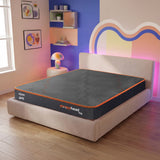
The Importance of Mattress Firmness for Better Sleep
A Guide to Snooze Like a Pro
Alright, besties, let’s talk about something that literally makes or breaks our beauty sleep—mattress firmness. You might think picking a mattress is as easy as picking your next Netflix binge, but oh honey, it’s a whole science. A bad mattress can leave you waking up like a zombie extra from The Last of Us, and trust me, no amount of iced coffee can fix that. So, let’s dive deep into the world of mattress firmness and figure out how to get that A+ sleep score.
The Different Levels of Mattress Firmness for Comfort
1. Soft & Plushy – Feels Like a Hug
- Best mattress support for: Side sleepers and people who like to sink in like they’re in a cloud.
- If you’re someone who curls up like a croissant while sleeping, a soft mattress is your BFF. It provides extra cushioning for your shoulders and hips, reducing pressure points.
- Downside? Too soft, and you might wake up feeling like a pretzel.
2. Medium-Firm – The Goldilocks Zone
- Best mattress support for: Combo sleepers (aka those who switch positions more than they switch outfits).
- If you can’t decide whether you’re a side, back, or stomach sleeper, this is your safest bet. A medium-firm mattress balances comfort and support, like a perfectly mixed Spotify playlist.
- It’s also a solid choice for couples who don’t want to fight over mattress preferences.
3. Firm – Keeps You Straight Like a Good Posture Reminder
- Best mattress support for: Back and stomach sleepers, or anyone who has back pain.
- A firm mattress prevents your body from sinking, keeping your spine aligned and your posture on point (your chiropractor will thank you).
- The only con? If it’s too firm, it might feel like you’re sleeping on a wooden bench at Coachella.
Types of Mattresses (Because, Yes, They Matter)
Memory Foam – The Smart One
- Conforms to your body like your fav pair of sweatpants.
- Good for pressure relief and motion isolation (so your partner’s tossing and turning won’t ruin your REM cycle).
- Can trap heat, so not great if you wake up feeling like a human oven.
Innerspring – Old but Gold
- Classic bouncy feel, like jumping on grandma’s bed as a kid.
- Good airflow, so you won’t wake up sweating buckets.
- Not the best at contouring to your body, so might not be great for side sleepers.
Hybrid – Best of Both Worlds
- A mix of memory foam and innerspring, so you get both comfort and support.
- Great for all types of sleepers.
- Usually a little more expensive, but hey, quality sleep is priceless.
Latex – The Eco-Friendly Queen
- Made from natural materials, so it’s sustainable.
- Responsive and durable (aka doesn’t sag like your motivation on a Monday morning).
- Can be pricey, but your body and the planet will thank you.
What Happens If You Sleep on a Lumpy or Bad Mattress? (Spoiler: Nothing Good)
Let’s be real—your mattress plays a huge role in how well you sleep. But if you’re snoozing on something that feels like a mix of an old couch, a trampoline, and a rock pile, you’re in for a rough night. A lumpy, sagging, or just plain bad mattress doesn’t just ruin your sleep—it messes with your entire well-being. What you need is to check your mattress firmness for comfort or else here’s how it will affect you:
1. Back & Neck Pain: The Skate Park Spine Situation
Imagine your mattress has dips and bumps like a poorly paved road. Now imagine your spine trying to stay aligned while you sleep on that mess. Spoiler alert: it can’t. A saggy or lumpy mattress forces your body into awkward positions, creating unnecessary pressure on your neck, shoulders, and lower back. Over time, this can lead to chronic pain, stiffness, and even long-term spinal issues.
What You Need: A proper mattress support and even weight distribution. Memory foam or hybrid mattresses work well because they contour to your body while keeping your spine in a neutral position. Avoid overly soft mattresses if you have back pain—they might feel cozy but won’t give your back the support it needs.
2. Poor Sleep Quality: The Toss & Turn Marathon
A bad mattress doesn’t just cause pain; it turns your nights into a non-stop wrestling match with your bed. If you’re constantly shifting around, trying to find a comfortable position, your sleep cycles get disrupted. This prevents you from reaching the deep, restorative stages of sleep, meaning you wake up feeling groggy and exhausted.
What You Need: A mattress firmness for comfort and available motion isolation (especially if you share your bed). Memory foam or latex mattresses help absorb movement, so you’re not disturbed every time you—or your partner—shift positions. Also, check for breathability. If your mattress traps heat, it can make tossing and turning even worse.
3. Allergies & Dust Mites: The Gross Factor
Old, worn-out mattresses are breeding grounds for dust mites, dead skin cells, sweat, and bacteria. These microscopic critters thrive in warm, humid environments (aka your bed), triggering allergies, asthma, and skin irritations. If you’re waking up sneezing, coughing, or with watery eyes, your mattress might be the culprit.
What You Need: A hypoallergenic mattress with dust-resistant materials. Latex and gel-infused memory foam mattresses are naturally resistant to allergens. Also, invest in a good mattress protector and wash your bedding frequently to keep things fresh.
4. Increased Stress & Anxiety: Sleep & Mood Are BFFs
Your mental health and sleep quality are a package deal. Poor sleep from a bad mattress can spike cortisol (the stress hormone), making you feel anxious, irritable, and emotionally drained. Chronic sleep deprivation can even contribute to mood swings and depression.
What You Need: A good mattress support for deep sleep. If stress keeps you up at night, opt for a medium-firm mattress with pressure relief. This helps your body fully relax, allowing your nervous system to reset and your mind to unwind.
If your bed feels more like a punishment than a place to recharge, it’s time for an upgrade. Look for a mattress that suits your body type, sleeping position, and specific needs. Your spine, sleep, and sanity will thank you.
The Best Way to Check Your Mattress Firmness
Choosing the right mattress firmness for comfort is like finding the perfect balance between sleeping on a cloud and lying on a wooden plank. Too soft, and your spine bends in awkward ways; too firm, and you wake up feeling like you slept on concrete. If you’re unsure whether your mattress is giving you the support you need, try these four simple tests to check its firmness.
1. The Press Test – A Hands-On Approach
One of the quickest ways to gauge mattress firmness for comfort is with the press test. Simply press your hand firmly into the mattress and observe how it responds.
- Barely any sinkage? Your mattress is on the firmer side, meaning it offers solid support.
- Sinks like quicksand? It’s too soft and might not be providing enough spinal alignment.
- A balanced sink-and-rebound? That’s the sweet spot—enough cushioning for comfort but enough firmness for support.
This test is especially useful for detecting wear and tear. If your once-firm mattress now collapses under pressure, it might be time for an upgrade.
2. The Sleeping Position Test – Your Spine’s Best Friend
Your sleeping position affects how much mattress firmness you need. A simple way to check if your mattress is firm enough is to lie down in your usual sleeping position and see how your body aligns.
- Back sleepers: Your spine should remain in a neutral position without excessive sinking in the lower back.
- Side sleepers: Your shoulders and hips should sink in slightly, but your spine should remain straight.
- Stomach sleepers: If your lower back arches too much, the mattress is too soft; if your ribs feel pressured, it’s too firm.
If you notice discomfort or an unnatural curve in your spine, your mattress isn’t doing its job.
3. The Coin Test – Stability Check
For a quick firmness check, grab a coin and place it on the mattress.
- If it topples over immediately, the surface is too soft and unstable.
- If it stays standing, your mattress has enough firmness to support your body weight properly.
While this isn’t a foolproof test, it gives you an easy way to check stability, especially for memory foam or pillow-top mattresses. Check your mattress firmness today!
4. The Body Test – Listen to Your Aches
Your body is the best indicator of whether your mattress is working for you. If you wake up with back pain, shoulder stiffness, or hip discomfort, your mattress firmness might be failing you. A mattress that is too soft won’t provide enough support, while one that is too firm can create pressure points that lead to discomfort.
A good mattress should keep your body supported and aligned. If your current bed fails these tests, it might be time to invest in one that truly supports your sleep needs. Your spine will thank you!
Signs You Need a New Mattress ASAP
- Your Mattress is Older than Your Phone History – If it’s been 7-10 years, it’s time to upgrade.
- You Wake Up Feeling Like You’ve Been in a WWE Match – A good mattress should leave you refreshed, not in pain.
- Visible Sags & Lumps – If your mattress looks like a topographical map, it’s game over.
- You Sleep Better on Literally Any Other Bed – If hotels, your friend’s couch, or even the floor feels better, that’s a red flag.
The Final Snooze Verdict on Mattress Firmness for Comfort
At the end of the day (literally), your mattress should be the ultimate sleep sanctuary. Don’t settle for lumpy, saggy, or too-soft nightmares. Your sleep is sacred, and getting the right firmness can mean the difference between waking up refreshed and waking up like a gremlin. We’ve given you a guide on mattress firmness and all the details you need to check your mattress and replace it with a new one if necessary.
So, whether you like it soft, firm, or somewhere in between, find your perfect match and sleep like the main character you are. Sweet dreams, bestie!
FAQs:
How do I know if my mattress is too soft?
If you sink in like quicksand and wake up with back pain, it’s too soft.
Can a firm mattress help with back pain?
Yes, a medium-firm mattress provides the best spinal support for most people.
How often should I check my mattress firmness?
At least once a year, or if you notice discomfort or sagging.
Does mattress firmness affect sleep quality?
Absolutely! The right firmness prevents tossing, turning, and body aches.
Is a firmer mattress always better?
Not necessarily—side sleepers need some softness, while back/stomach sleepers need more support.
Can I make my mattress firmer without replacing it?
Yes, try a firm mattress topper or place a plywood board underneath.
Why does my new mattress feel too firm?
New mattresses take 30–60 days to break in and soften slightly.
What’s the best way to test mattress firmness in-store?
Lie down in your usual sleeping position for at least 10 minutes.
Does body weight affect the firmness I need?
Yes, heavier sleepers need firmer support, while lighter sleepers may prefer more cushioning.
When should I replace my mattress?
Every 7–10 years, or sooner if it’s sagging, lumpy, or causing pain.